Everything here, in one list
Fourteen pieces in four sections. The front page carries three of them; this is the rest.
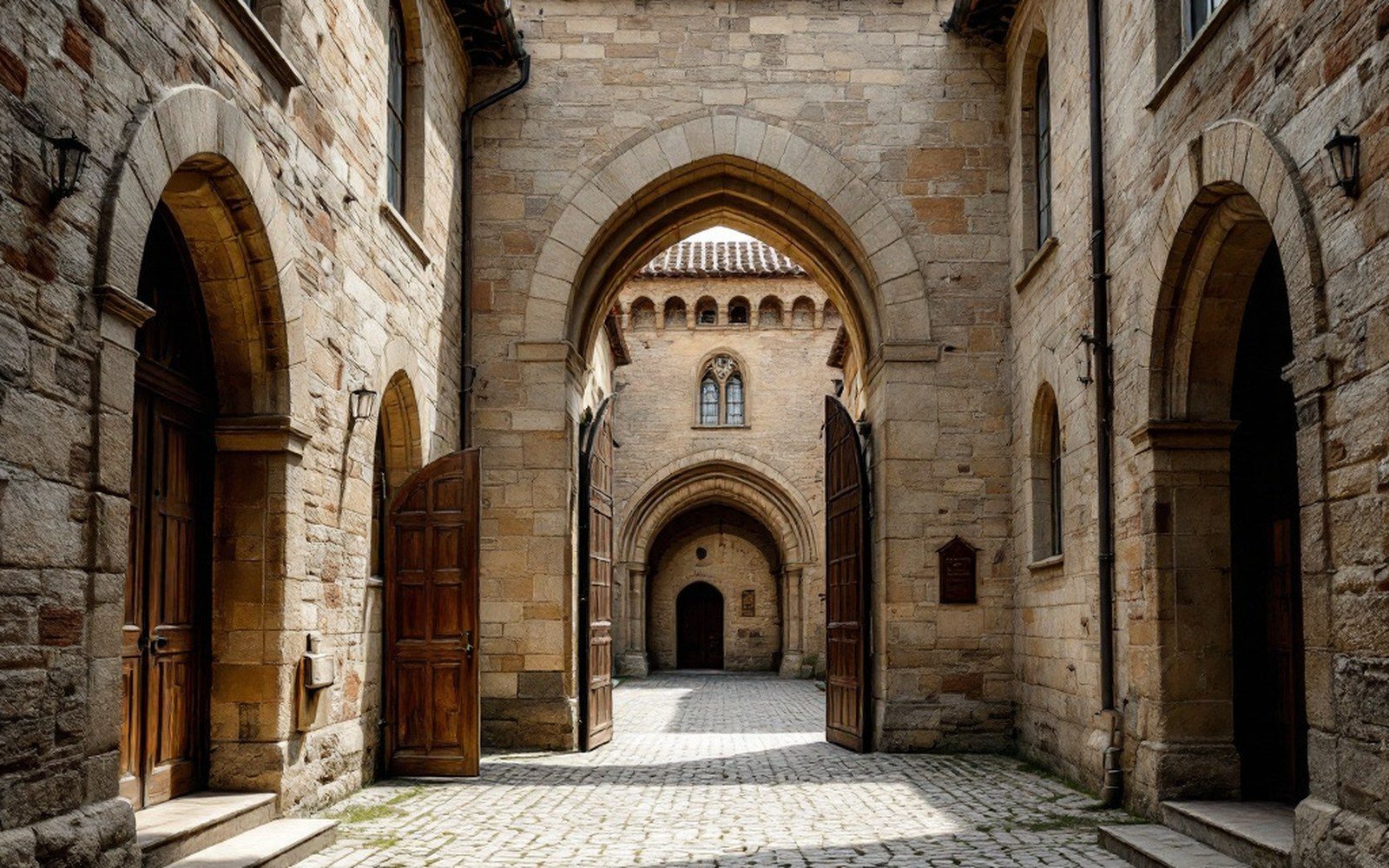
Not enclosed: the 1633 arrangement
A women's religious community at that date was expected to be cloistered; annual rather than perpetual vows were the mechanism that let these members leave the house.
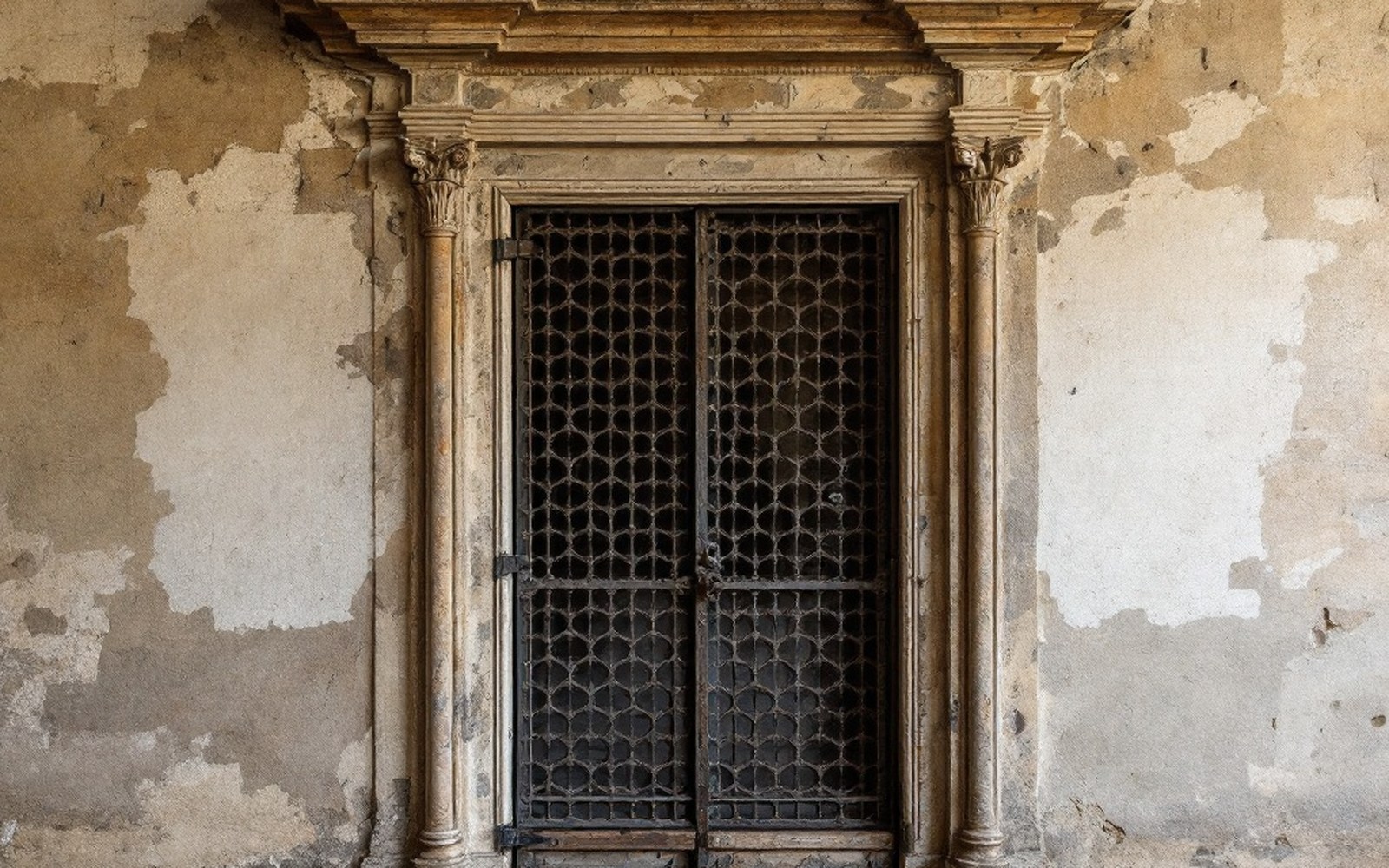
What cloister actually meant
Enclosure was a canonical requirement with real physical consequences, and working in a public hospital was incompatible with it.

Vincent de Paul and Louise de Marillac
One supplied the structure and the other ran it, and the correspondence between them is the primary source for how it worked.
A deployable workforce
Training, assignment and transfer between houses made it an organisation rather than a set of individuals.
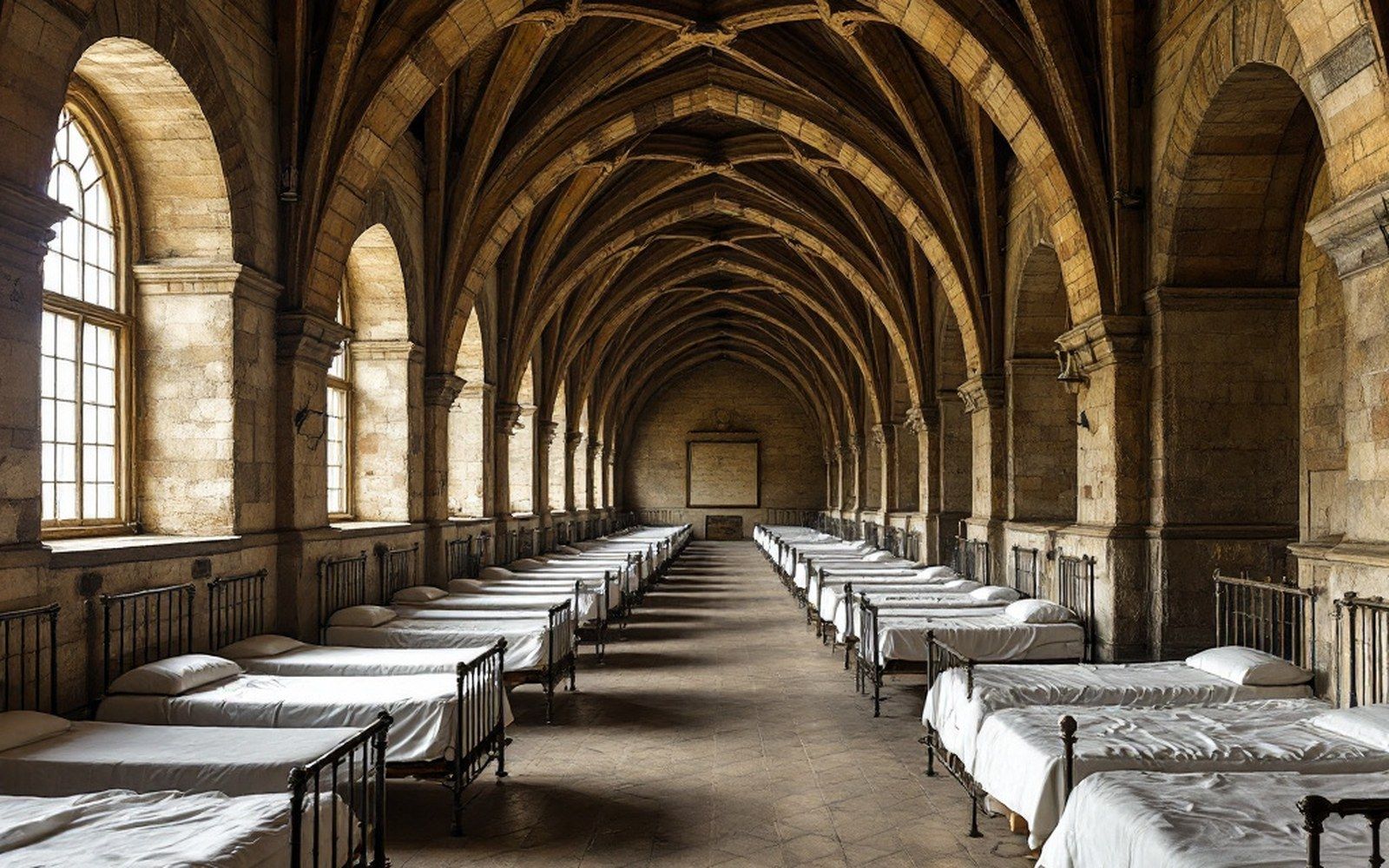
Twelve hundred beds and a ledger that had to balance
The Paris hospital was enormous, and running it was an administrative problem before it was a medical one.

The admission ledger
Who was admitted, when, and what happened to them was written down, which is why the institution can be studied at all.
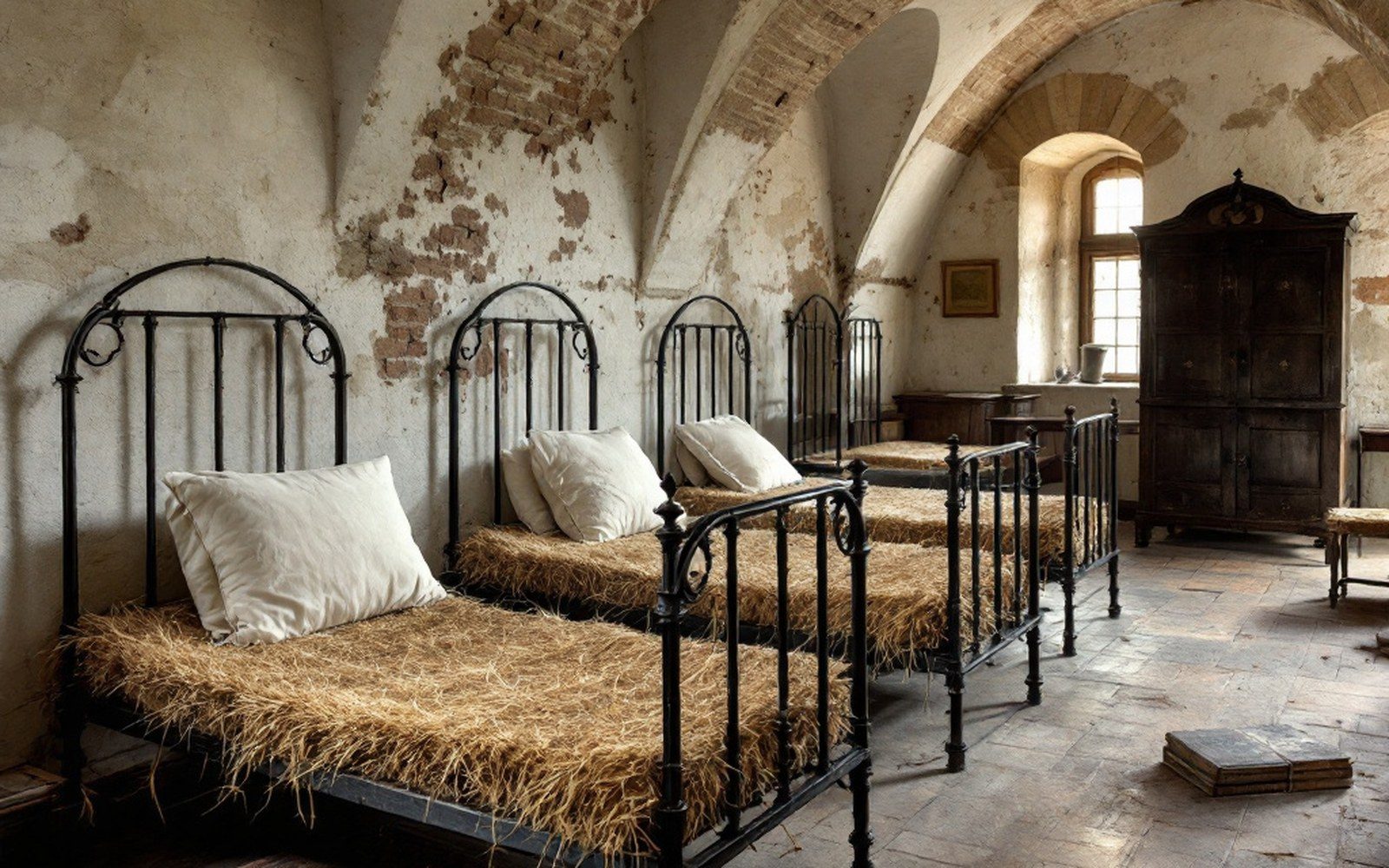
Beds shared, then separated
Putting one patient in one bed was an institutional reform with a date, not an obvious arrangement.
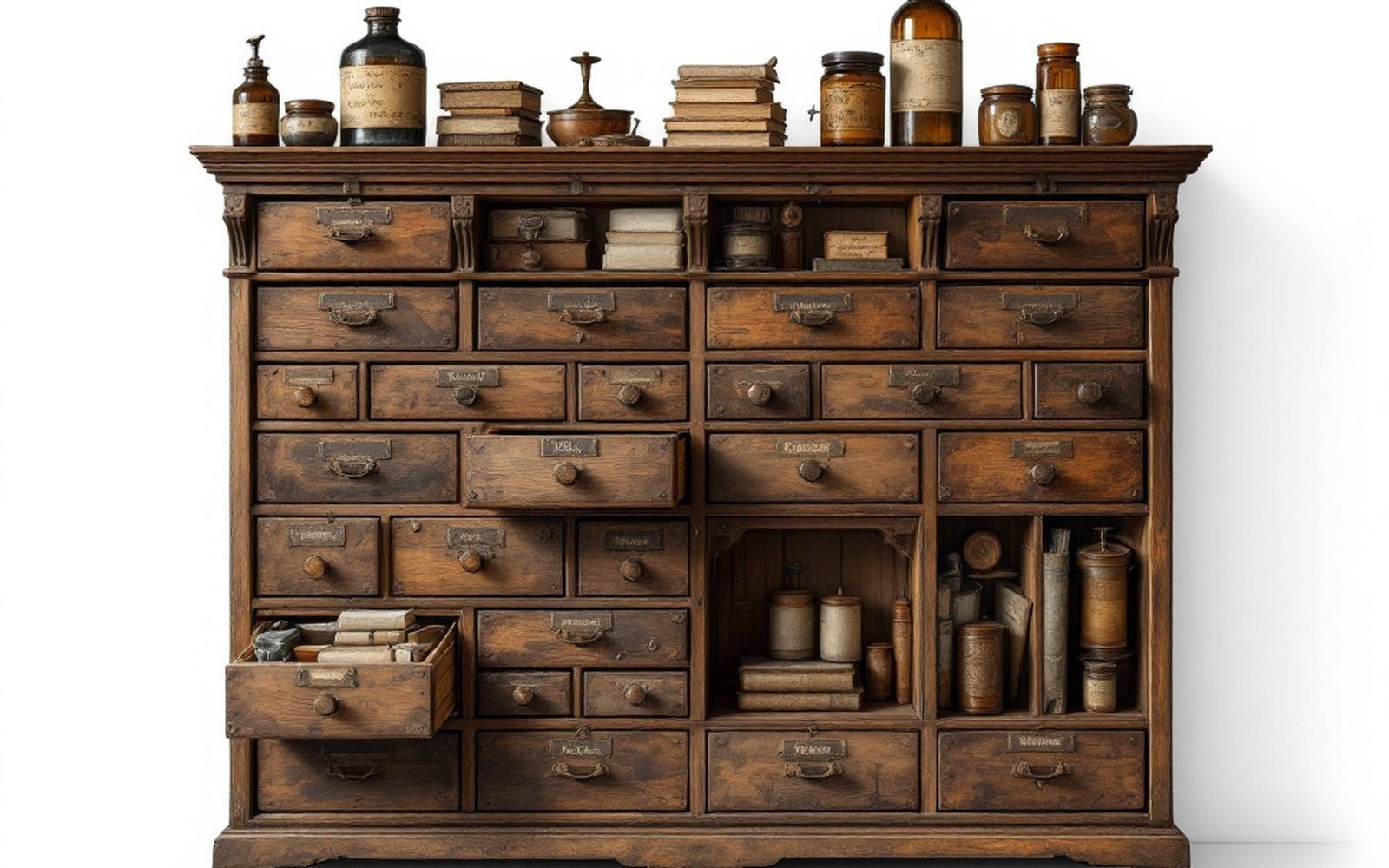
The apothecary
A hospital pharmacy was a workshop with a stock list, and the cabinets survive better than the practice.
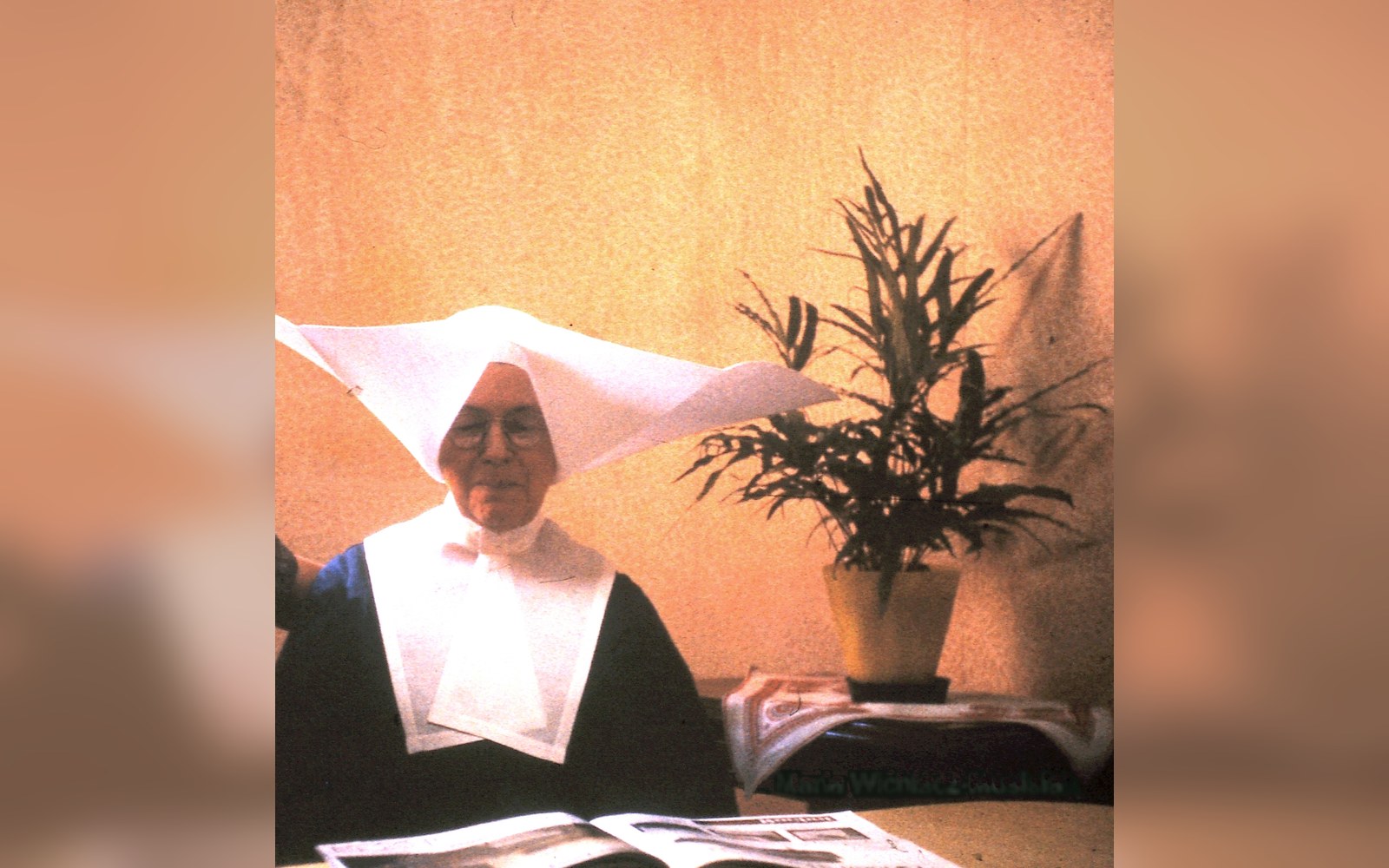
The headdress, and why it went
The wide starched cornette was worn from the seventeenth century until 1964 and was abandoned as impractical, which is a documented institutional decision.

Habit as working equipment
Grey serge, washable linen and a laundry schedule — the clothing was chosen for the work it had to survive.

The 1964 decision
Changing it took a formal process, and the reasoning is on record.
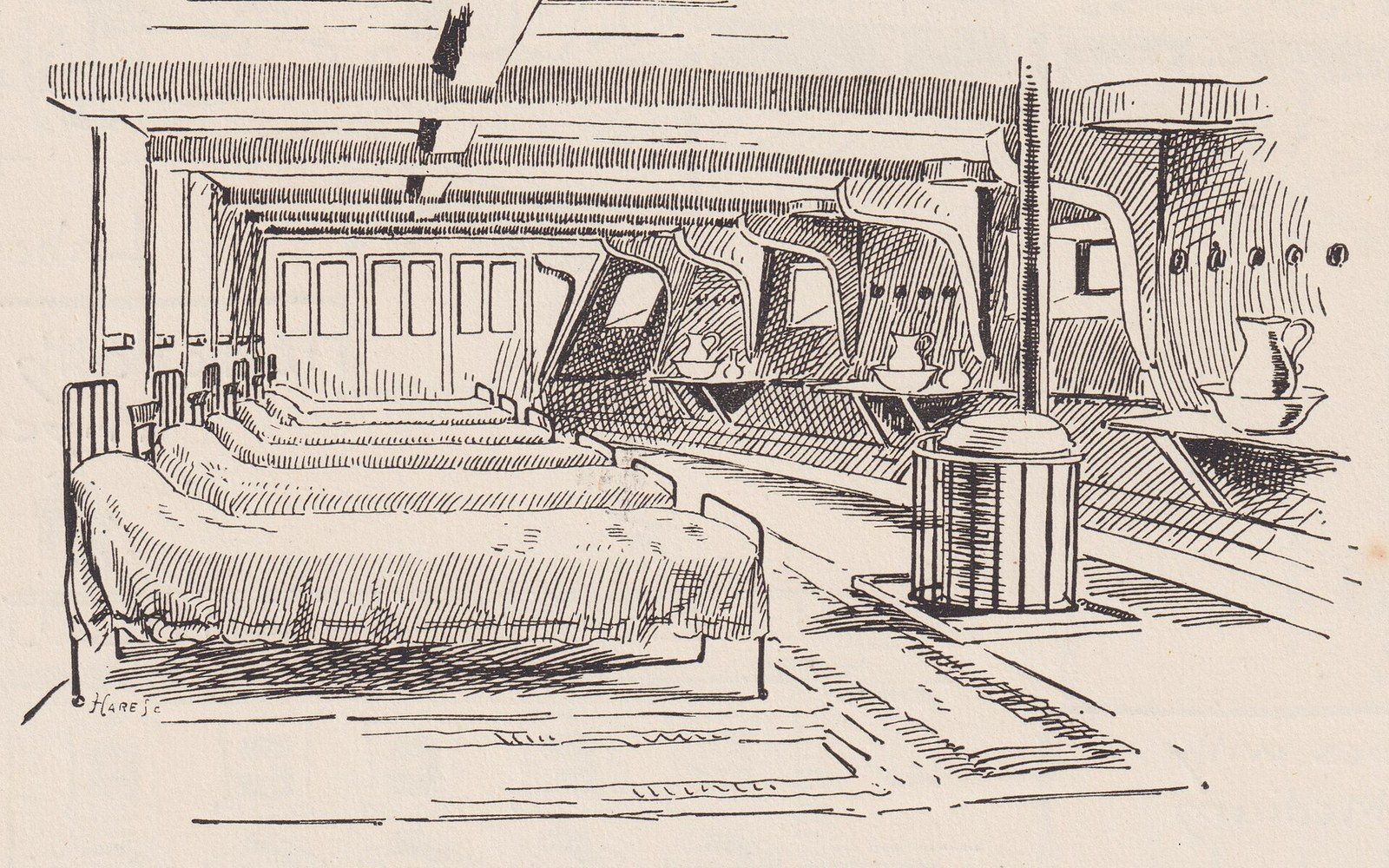
Where the two professions met
In the nineteenth century the hospital sisterhoods and the emerging secular profession argued, competed and borrowed from each other.
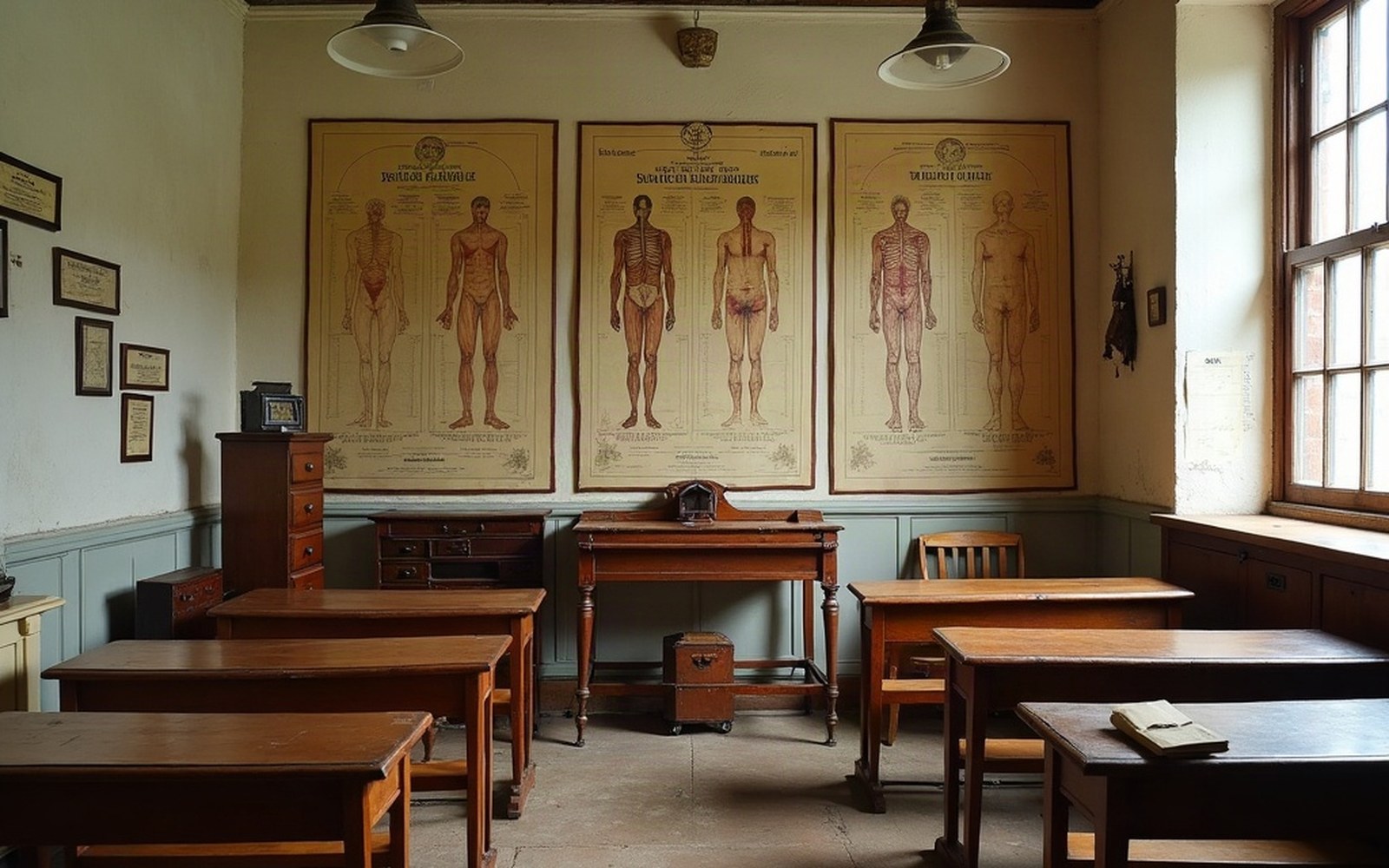
What training meant before it was a course
Instruction was apprenticeship inside an institution, and formalising it was the change that the later reforms are named for.
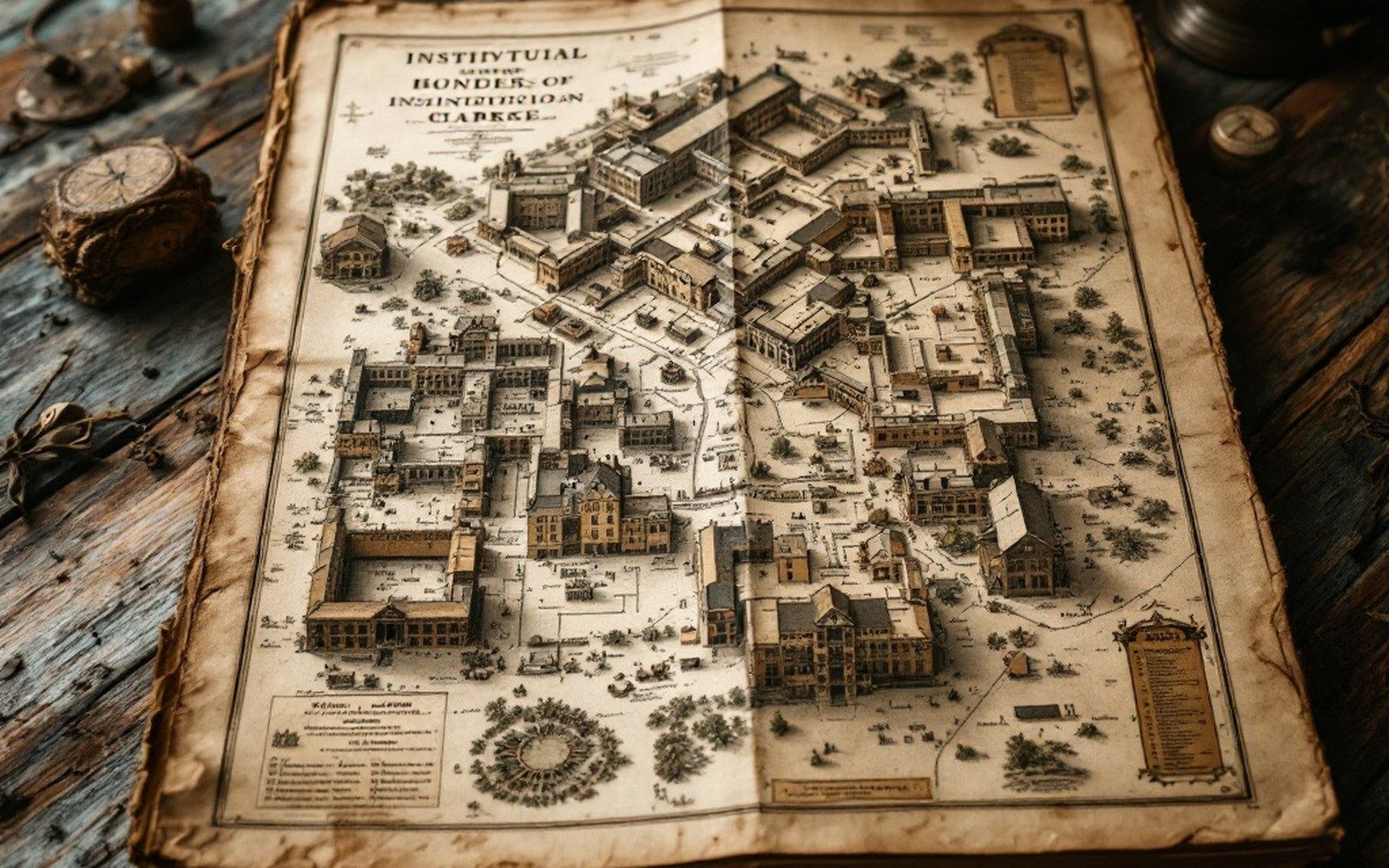
The spread across Europe
Houses were established across the continent on the same rule, which is what makes the model comparable between countries.