The 1964 decision
The 1964 change to the habit was not a quiet abandonment — it was a formal ruling, and the reasoning survives.

Changing it took a formal process, and the reasoning is on record.
What the Record Shows
The wide starched cornette had been the Daughters of Charity's most recognisable feature for three centuries, distinctive enough to be used as a recruiting image, a hospital marker, and — by the twentieth century — a liability in surgical wards where the wings caught on equipment and blocked peripheral vision. The decision to retire it came in 1964, the year before the Second Vatican Council issued Perfectae Caritatis (1965), its decree on the renewal of religious life. The decree did not prescribe any particular change to habits, but it directed religious institutes to reconsider whether their clothing still served the apostolic work — an instruction that gave communities the canonical authority to act.
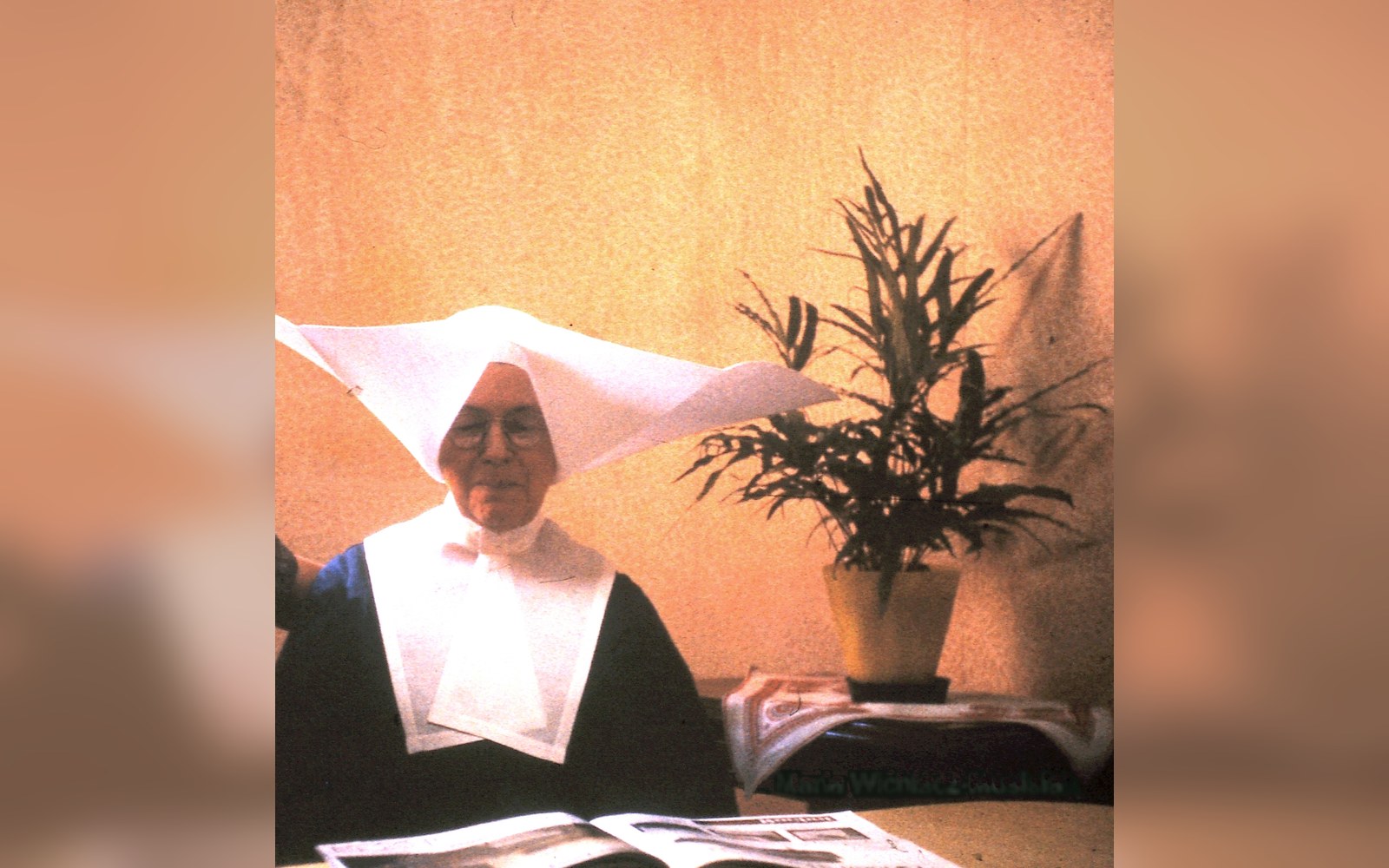
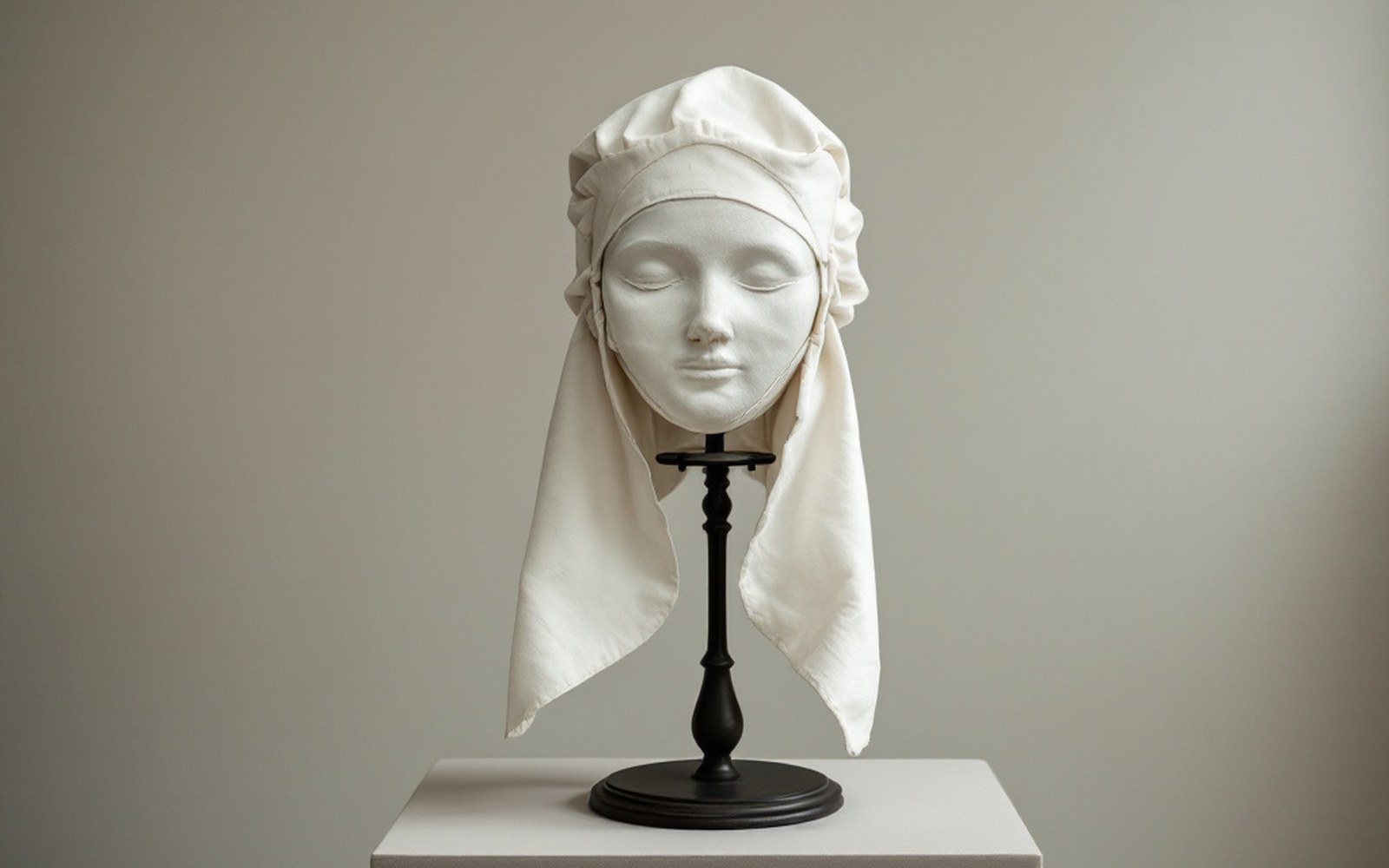
The Superior General convened the process required by the Daughters' own rule. A general assembly deliberated, the reasoning was documented, and the modified habit — a simpler veil replacing the structured linen cornette — was adopted. The change was not cosmetic. The cornette required starching, shaping and pinning; the process took time each day and demanded specific materials. Removing it reduced a daily maintenance burden that had no relation to patient care.
Practical arguments had circulated for years before 1964. Hospital administrators and the sisters working in operating theatres had noted that the cornette's width created real problems in close clinical quarters. By mid-century the secular nursing profession had long standardised on smaller, pinned caps or no headcovering at all in sterile environments, and the contrast was difficult to ignore. The cornette had also become, in many contexts, the primary thing the public associated with the Daughters — ahead of the work, ahead of the institutional history. That inversion of emphasis was itself a reason for review.
The timing within the broader Vatican II ↗ renewal process meant the change arrived alongside similar revisions in dozens of other institutes, which made individual decisions easier to document and defend. The Daughters of Charity's record is cleaner than most: the formal acts of the 1964 assembly ↗ were retained in the community archives, which is why the decision can be described as a ruling rather than a drift.