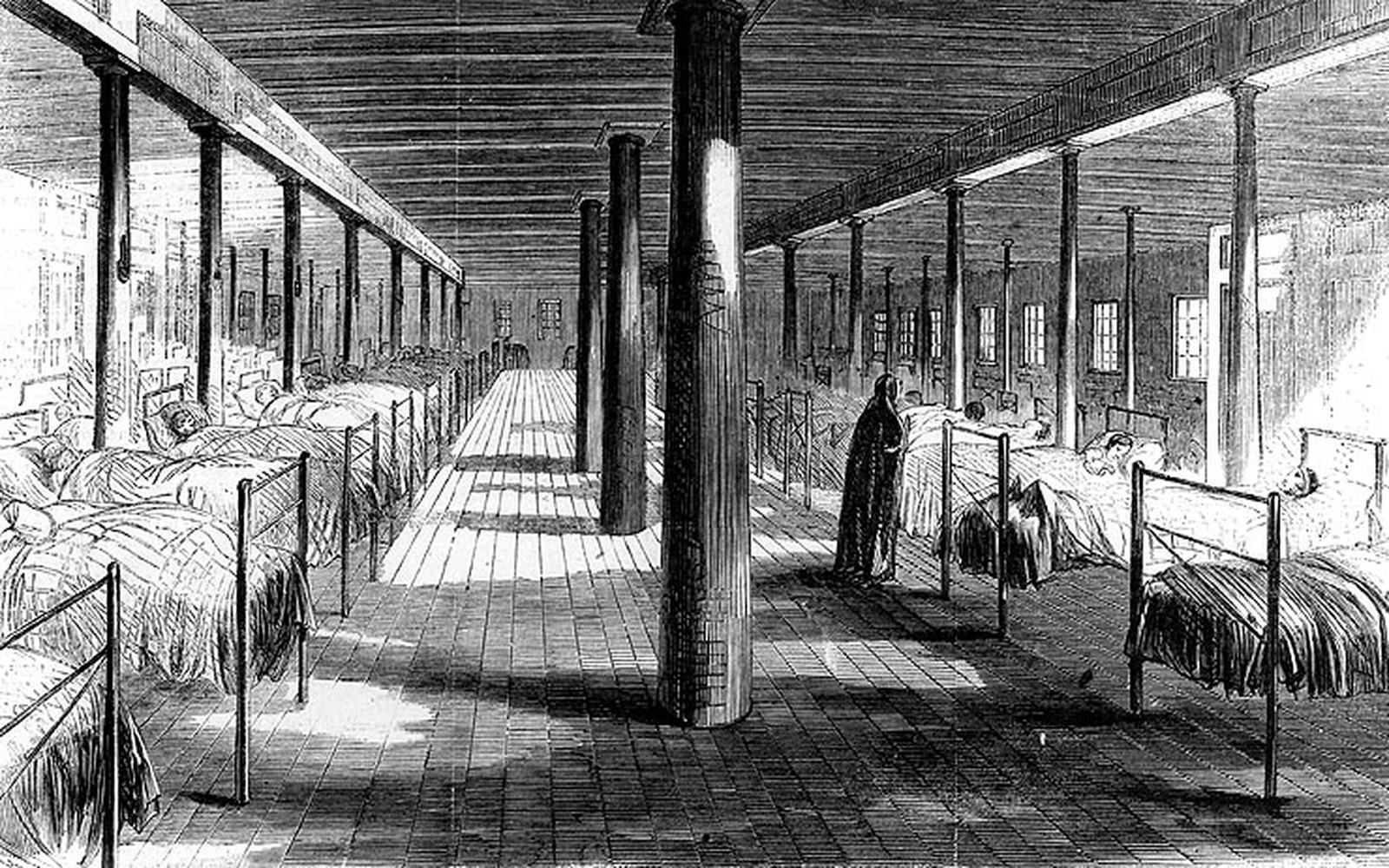
The Hôtel-Dieu put several patients in one bed. The women who worked its wards were not, in law, nuns — and that was the arrangement that made them useful.
Not enclosed: the 1633 arrangement
A women's religious community at that date was expected to be cloistered; annual rather than perpetual vows were the mechanism that let these members leave the house.
Twelve hundred beds and a ledger that had to balance
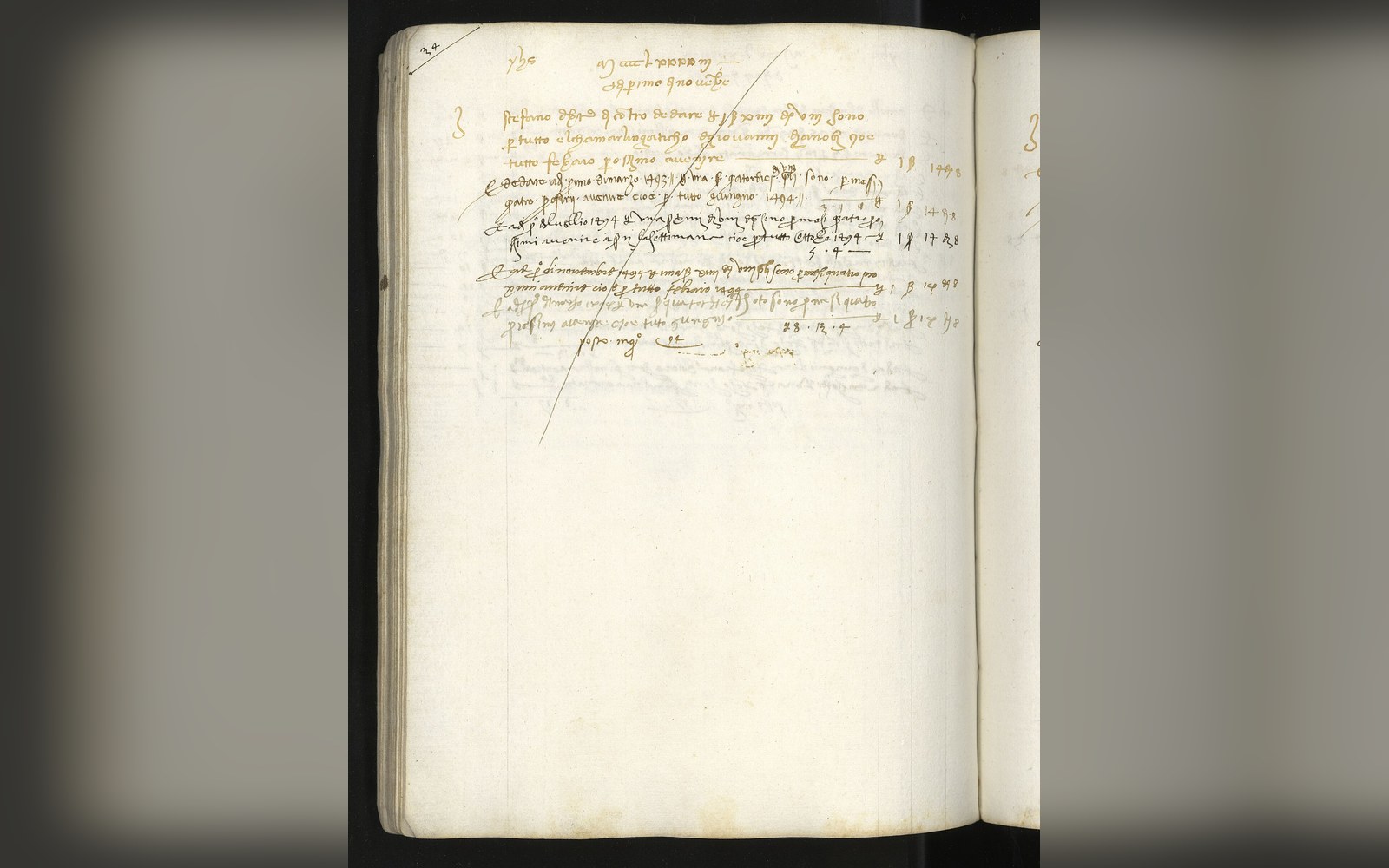
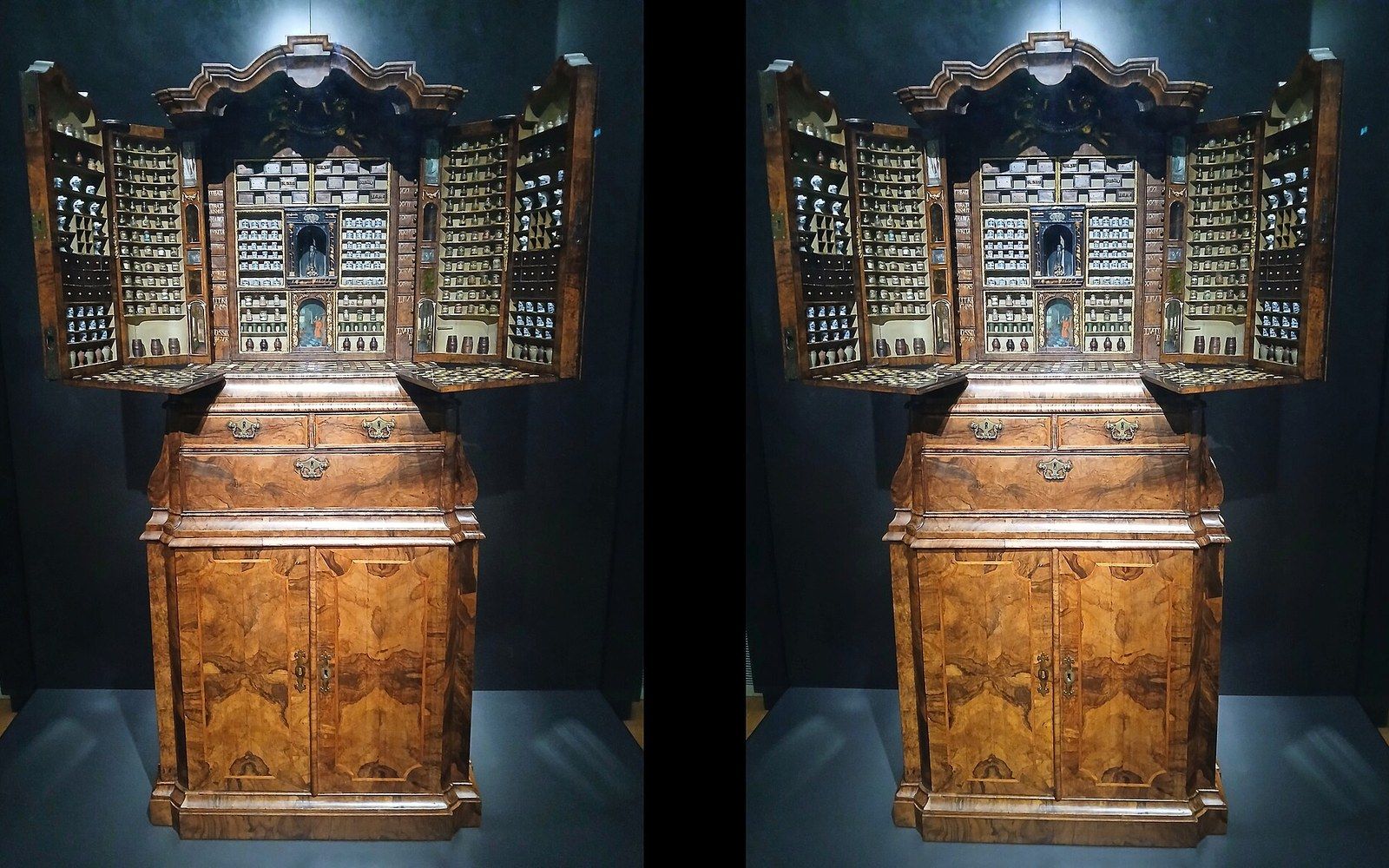
The rounds, the linen, the apothecary drawers, and a register in which every admission was written in and every departure struck out.
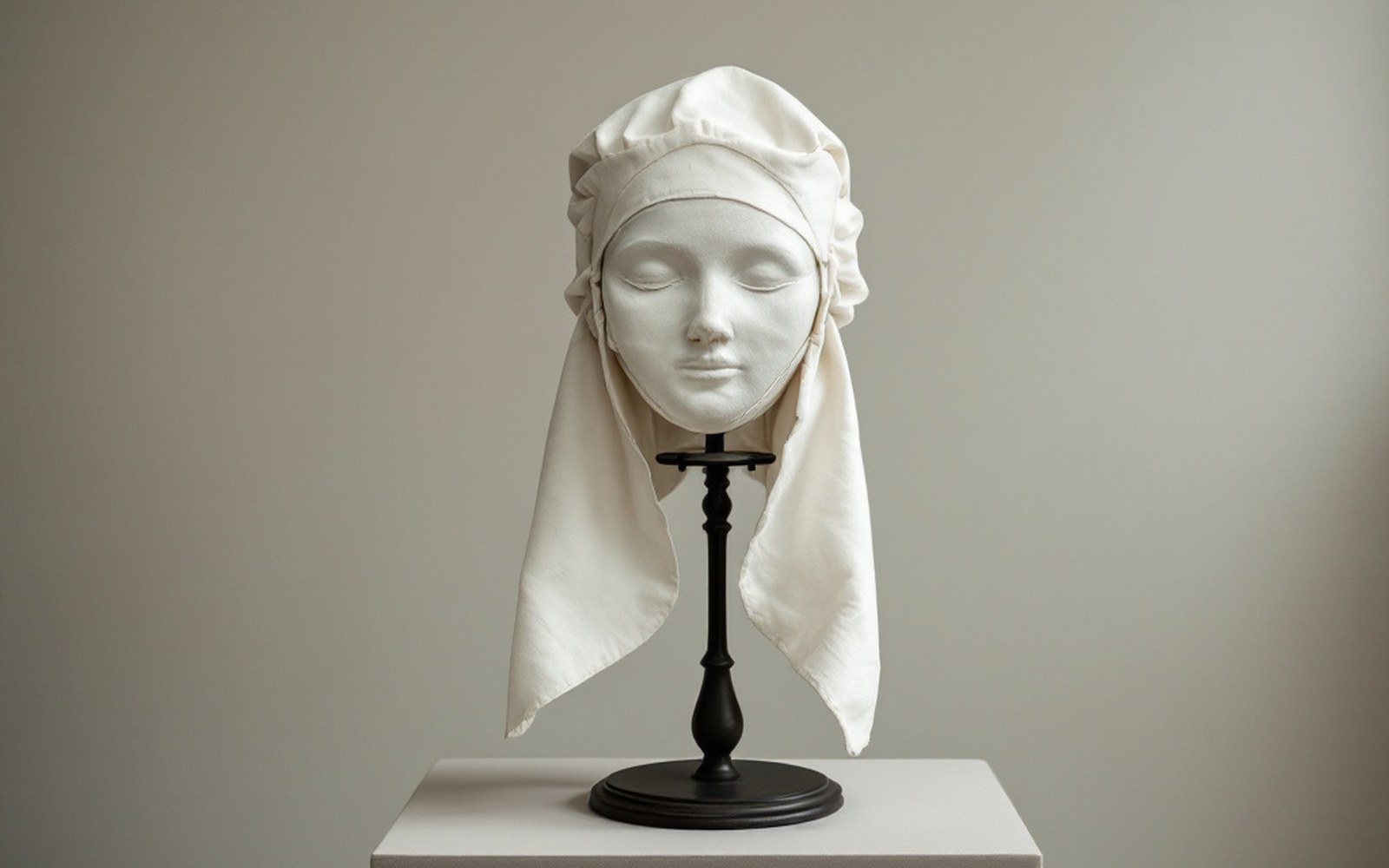
The headdress, and why it went
Worn from the seventeenth century until 1964, then given up as impractical. It is the only part of them most people can picture.
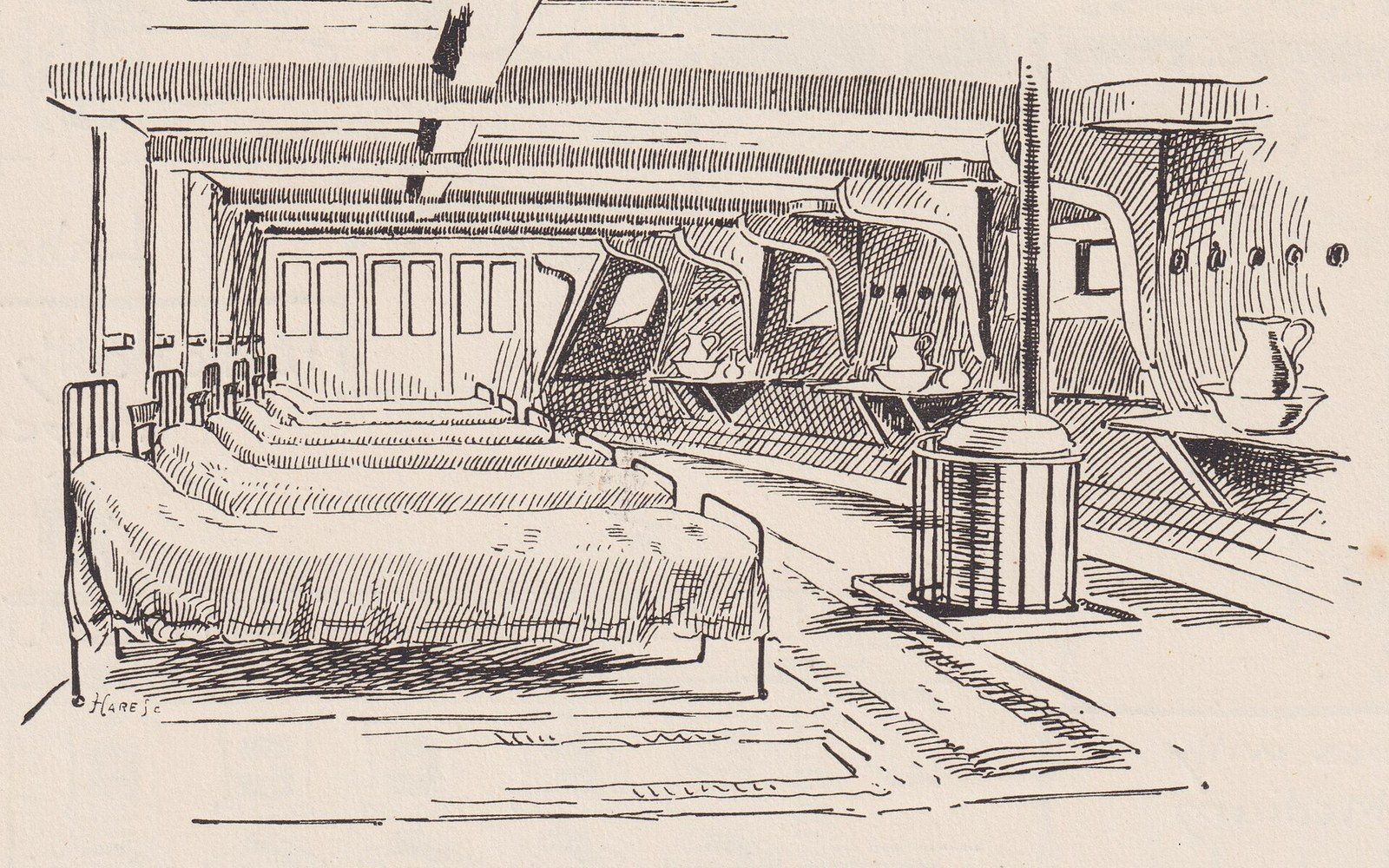
Where the two professions met
The nineteenth century, and what was borrowed. Training, transfer and record-keeping were already in place when the reformers arrived.
Fourteen pieces, four sections, and one procedural decision underneath all of them.